
Table of Contents
Contact us at 850-518-7320 or schedule your risk-free in-person appointment today!
Schedule AppointmentFor anyone navigating chronic pain, anxiety, PTSD, or a debilitating medical condition, exploring a new treatment option can feel daunting. Decades of historical stigma, misinformation, and conflicting headlines have naturally left some patients hesitant to consider medical marijuana in Florida.
However, a powerful and authoritative reality check has just been issued by a source that might surprise many: the Drug Enforcement Administration (DEA).
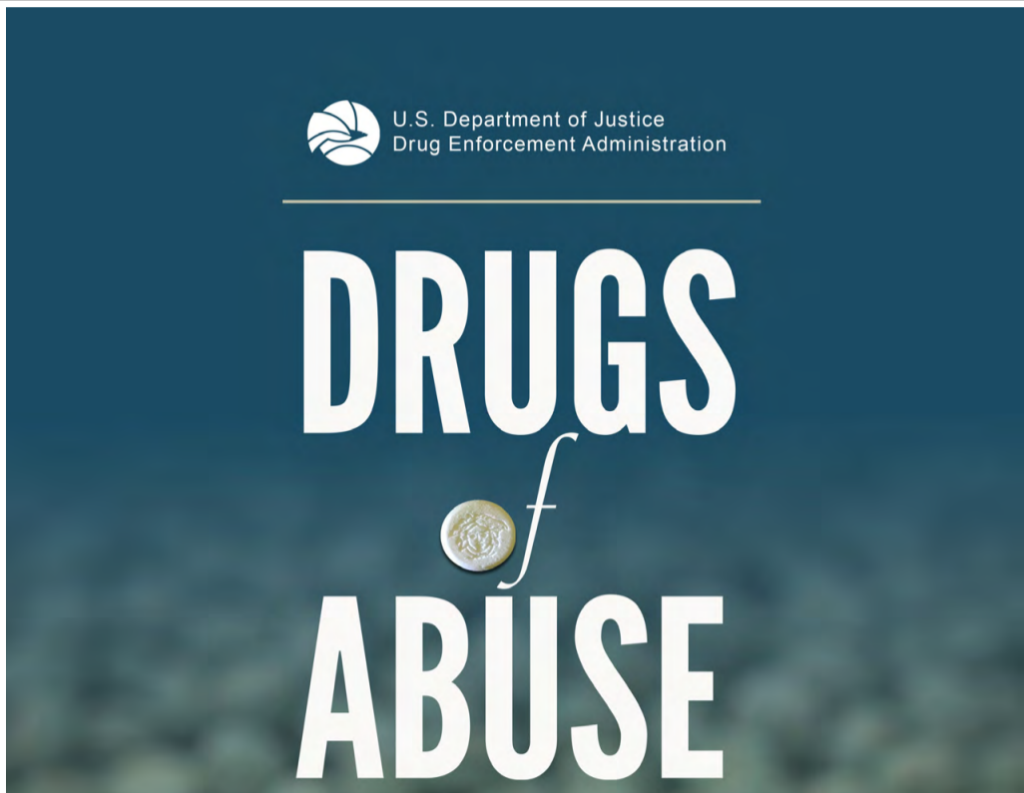
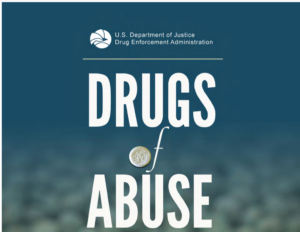
In the updated edition of its flagship Drugs of Abuse publication, the DEA explicitly maintains a crucial, long-standing scientific and statistical distinction: there are no reported instances of anyone ever fatally overdosing on cannabis.
For patients and prospective medical cannabis users, this federal confirmation offers profound peace of mind. Let’s break down what this report says, why it matters, and how it reinforces why medical marijuana remains a safe, viable option for so many.
What the DEA’s Drugs of Abuse Report Highlights
The DEA’s Drugs of Abuse reference guide is widely used by law enforcement, healthcare professionals, and policymakers to understand the pharmacological effects and public health impacts of various substances.
While the publication outlines the various effects that cannabis consumption can have on the human body—such as changes in perception, heart rate, or coordination—it reiterates a baseline medical fact that science has long supported: a fatal overdose from cannabis alone is physically impossible.
Why is that? From a biological standpoint, it comes down to how our bodies are built.
The Science Behind Cannabis Safety: The Endocannabinoid System
To understand why cannabis cannot cause a fatal overdose, we can look to human biology. The human body features a vast network called the Endocannabinoid System (ECS), which helps regulate critical functions like sleep, mood, appetite, pain sensation, and immune response. Our bodies naturally produce endocannabinoids, and plant-based cannabinoids (like THC and CBD) interact smoothly with these receptors.
Crucially, the brainstem—the region responsible for controlling autonomic functions like breathing and heart rate—contains very few cannabinoid receptors.
By contrast, substances like opioids do densely bind to receptors in the brainstem, which can suppress breathing and lead to fatal overdoses. Because cannabis does not interact with the brainstem in this manner, an overwhelming physiological shutdown from a cannabis overdose does not occur.
What This Means for MMTCFL Patients and the Hesitant Newcomer
If you are a current patient at MMTCFL, or someone who has been curious about medical marijuana but held back due to old fears, this federal acknowledgment is deeply validating:
- Safety Profile Confidence: You can feel secure knowing that the medical cannabis you access is backed by a pharmacological safety profile where lethal overdose is a biological impossibility.
- Dispelling the Stigma: Hearing this truth echoed even through federal regulatory literature helps dismantle decades of Reefer Madness-era myths. Cannabis is a medicine that requires responsible use, dosage mindfulness, and medical guidance—not fear of toxicity.
- The Importance of Medical Supervision: While cannabis is non-lethal, consuming high doses (especially with potent edibles) can sometimes lead to uncomfortable side effects like temporary anxiety, dizziness, or disorientation. This is precisely why working with a qualified medical marijuana physician through MMTCFL is so valuable. We help you find the exact strain, route of administration, and micro-dose tailored to your body so you only experience relief—never discomfort.
Moving Forward with Confidence
Medicine should always be about improving your quality of life while minimizing risk. Compared to traditional pharmaceuticals—many of which carry strict, life-threatening overdose warnings—medical cannabis offers a remarkably safe, plant-based alternative for managing chronic conditions.
The DEA’s updated confirmation serves as an important reminder that the facts speak for themselves. You don’t have to carry fear or hesitation when considering a safer path forward for your health.
Are you ready to explore how medical cannabis can safely fit into your wellness journey? Contact MMTCFL today to schedule a consultation with our compassionate, knowledgeable team and take the first step toward relief.
Schedule an Appointment with MMTC Doctor
Contact us at (850) 906-5000 or click on the calendar below to schedule your risk-free in-person appointment at the MMTC location nearest you. Patients must be 21 or older.

For more appointment times and dates, click the city where your clinic is located or call 850-906-5000.
 Share the Article